Mabel Florence Harriet Wentworth Fitzwilliam was born in London on July 14th 1870. She was the granddaughter of the sixth Earl Fitzwilliam, head of one of the richest aristocratic families in England, whose vast wealth was the cumulative result of inherited fortune, ownership of a great deal of land in England and Ireland, mineral rights, coal mines and the leasehold of ironworks. Mabel was the second born daughter of Viscount Milton, who, as the Earl’s eldest son, was in line to inherit the earldom and the family fortune. The Fitzwilliam ancestral home was the enormous Wentworth Woodhouse near Rotherham where, until she was 16, Mabel was a frequent visitor but not a permanent resident. At the time of the 1871 census, she and her sister, Laura, were residents in the Fitzwilliams’ London home, in the very fashionable Grosvenor Square, Westminster. The girls were in the company of a nurse, a nursemaid and several other servants, but their parents were absent. It was not unusual for upper-class children to be left in the care of paid staff although it seems that the whereabouts of Viscount and Lady Milton were often accounted for by periods of ill health rather than by pressing social engagements.
By the early 1870s, Viscount (Lord) Milton required regular withdrawals from public life and lengthy periods of convalescence. He had become a Liberal MP for the West Riding in 1864 but by 1871, it was reported that he had been entirely absent from the 270 Divisions (votes) of the last session of the House of Commons. Many of his official duties as an MP and others as the eldest son of the Fitzwilliams, were cancelled due to his illness as he sought rest in Europe or at the family seat of Coolattin in County Wicklow, Ireland. As his health deteriorated, he resigned his seat at Westminster and took his family to Canada, where his third child – a son and heir – was born in 1872.
It was a bold journey on which to embark but it was not the first time Milton had taken his family abroad; in the winter of 1870, when Mabel was still a baby, they set off for Egypt. By 1872, Milton’s health was worsening, his wife was not only pregnant but suffering herself with chronic illnesses, and their daughters were aged just two and three years old. But Milton was used to travelling and he already knew Canada. Ten years earlier, he had embarked on a journey of discovery across North America, to prove the viability of a North-West land (trade) route through the Rocky Mountains to British Colombia. After the birth of his son, the Miltons built a house and established a family home in Virginia in the United States of America. They were not to be there long. Viscount Milton died in France in 1877, aged 38 and his wife and children – another daughter, Theresa, was born around 1875 –returned to England. It is unlikely that there was ever an unbroken spell of residence in Virginia for Lady Milton and her children; the son (and heir) was brought back to Wentworth Woodhouse late in 1872 to be christened. A newspaper obituary of the Viscount states that mother and children had made the journey back to Yorkshire on more than one occasion. Many years later, Lady Mabel recalled travelling around England so extensively as a child that her mother improvised and used drawers padded with bedding rather than cots, presumably when visiting other households ( this story was told to demonstrate that mothers could do without expensive nursery equipment as long as they were practical and resourceful).
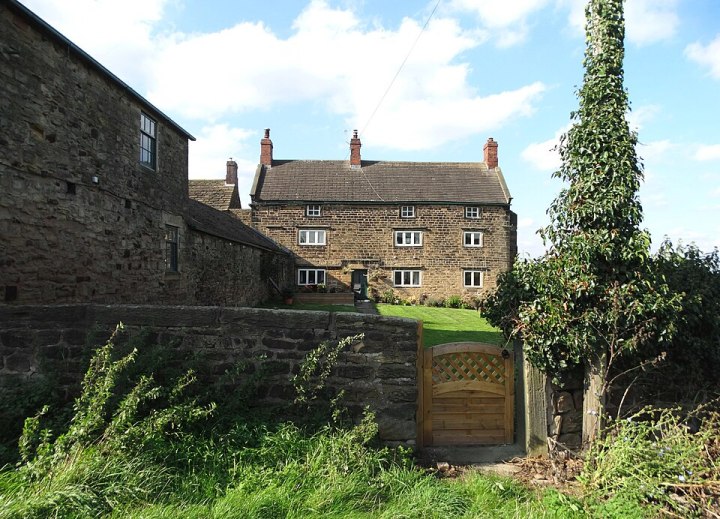
Evidence suggests that after Viscount Milton’s death, his wife and children came to live at Hoober Hall, on the Wentworth estate. They were not there when the 1881 census was taken, so it is not possible to see who made up their household. Instead, the family, along with some members of Viscountess Milton’s family, servants and a governess, was staying in Torquay. It may be that this was a visit intended to improve Lady Milton’s failing health; in 1886 there was a return to Torquay where she died, aged 37. From this point, it seems likely that the children went to live at Wentworth Woodhouse, under the care of their grandparents, the Earl and Countess Fitzwilliam.
During the 13 years or so that she was at Wentworth Woodhouse, Mabel appears to have lived the life expected of a young, aristocratic woman. She was 15 when her mother died and just three years later, she was presented at Court to the Queen by her grandmother, the Countess Fitzwilliam. The preparations for this event were considerable, involving the strictest of etiquette, both in dress and deportment. This was followed by the business of ‘coming out’ into Society and attending all manner of social functions during ‘the London season’, which was traditionally regarded as the way that young women of the social and political elite would find suitable husbands. For the Wentworth Fitzwilliam girls, the ‘seasons’ meant spending time at the Fitzwilliam’s London home in Grosvenor Square, meeting, greeting and visiting within their social circle.
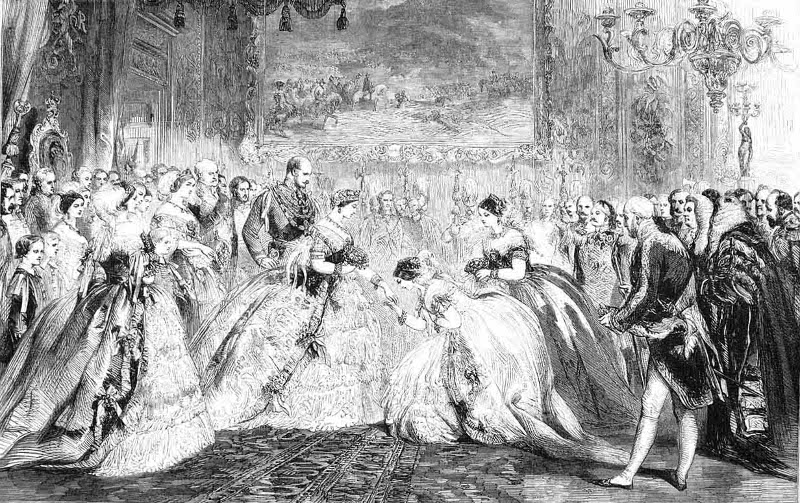
A few weeks after her presentation at Court, Mabel was a guest at the Queen’s State Ball at Buckingham Palace which was attended by the Prince and Princess of Wales, a host of other princes, princesses and senior members of the military and noble families. The most prestigious families in the country depended upon each other for company, mixing in London, forming house parties in grand homes around the country. In the years that followed, there were innumerable ‘fashionable weddings’ (the press description of aristocratic or society weddings) to attend and as a young noble woman, Mabel was a regular guest or bridesmaid at many of these, often in London. Before her own marriage, Mabel was a bridesmaid for her sister Laura in 1889, her aunt in 1895 and for her brother in 1896. His wedding took place in St Paul’s Cathedral, a clear indicator of wealth and status, and notable because few marriage ceremonies took place there in that period.

The Fitzwilliams’ grandeur meant that encounters with royalty were in no way out of the ordinary. Wentworth Woodhouse was sufficiently large and grand to host members of the royal family and as the premier family in south Yorkshire, this was to be expected. One such occasion during Mabel’s young womanhood was the prestigious visit of the Prince and Princess of Wales who stayed in 1891. Mabel, aged 21, was in the elaborate carriage procession that accompanied the distinguished guests to the official opening of Clifton Park in Rotherham.
There is no way of knowing whether Mabel enjoyed the roles expected of her as a member of such an illustrious family or how she felt about the upper-class marriage market that she was expected to be part of in London. At least, however, one part of the upper-class countryside social calendar does seem to have held considerable appeal for her- and that was horse riding. Often described in the press as a fine sportswoman and a great horsewoman, Mabel regularly took part in hunt and race meetings in England and in Ireland, alongside members of her family and those admitted to the county hunting clan. One of these was William Mackenzie Smith, whom Mabel married in 1899. He too was described as an accomplished rider, following, it would seem, a family tradition. The Smiths were an established, well known Sheffield family and their connections with the Fitzwilliams went beyond a shared passion for equine sports; William Mackenzie Smith, who qualified as a solicitor in 1892, held a commission with the Yorkshire Dragoons, a voluntary cavalry force of whom in 1886 Earl Fitzwilliam became Honorary Colonel and Charles, his son, Lieutenant Colonel.
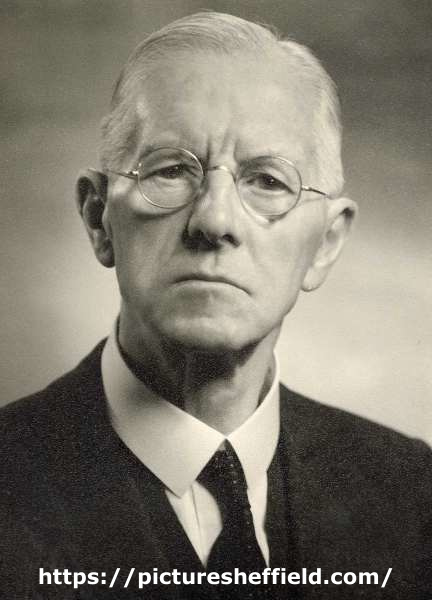


From her delight in riding and rural sports, perhaps came Lady Mabel’s keen interest in the land, which remained a significant feature of much of her life’s work, and which I shall explore further in subsequent posts. This post, however, concludes with Mabel’s wedding at St George’s Church in Hanover Square, Mayfair in London, where her parents had also married. Undoubtedly another ‘fashionable’ affair, the ceremony was officiated by Mackenzie Smith’s grandfather, the long-serving vicar of Ecclesfield, the Smith family’s parish. Accompanied by nine bridesmaids and two pages, Lady Mabel ‘looked exceedingly well in a wedding dress of rich duchesse satin and full court train, edged with chiffon and lace’ and the couple had a reception at the Grosvenor Square family residence, before leaving for the start of their honeymoon at Maltby Hall, a 15-room house in the village of Maltby (ten miles from Rotherham, 13 from Wentworth Woodhouse) owned or at least tenanted by Mackenzie Smith. This was to be their home for over a decade.


